

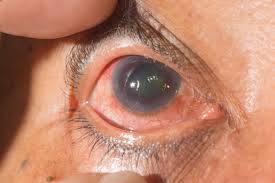
Glaucoma is often called the “silent thief of sight.”
Not because it steals vision suddenly, but because it usually happens quietly, without obvious symptoms, until the damage is already significant. For many people, their vision seems “fine” until one day, it isn’t.
Here’s the good news: Glaucoma-related vision loss can be slowed or even prevented when detected early. That’s why understanding the early warning signs is so important, especially for adults over 40, people with a family history of eye disease, or individuals living with diabetes or high blood pressure.
In this article, we’ll walk you through the subtle and not-so-subtle signs of glaucoma, what causes them, who is most at risk, and what to do if you notice them.
What Exactly Is Glaucoma?
Glaucoma is a group of eye conditions that damage the optic nerve, the nerve responsible for sending visual information from the eye to the brain.
In many cases, this damage occurs due to increased pressure inside the eye (known as intraocular pressure).
But you should know that you can still have glaucoma even if your eye pressure seems normal. They’re listed under 2 categories.
What are the 2 types?
| Type of Glaucoma | How It Happens | Progression |
|---|---|---|
| Open-Angle Glaucoma (most common) | Fluid drains slowly, pressure builds over time | Very slow and silent, symptoms often go unnoticed |
| Angle-Closure Glaucoma | Drainage angle suddenly blocks | The drainage angle suddenly blocks |
Most people in Nigeria who have glaucoma don’t realize it until the damage is already advanced. Unlike many eye conditions, vision lost to glaucoma cannot be restored. However, early diagnosis and treatment can protect the vision you still have.
Think of it like “slowing down the thief” before he takes more.
Regular eye examinations, especially once you’re 40 and above, help detect glaucoma before symptoms appear.
Here are the signs you should never ignore, which may indicate open-angle glaucoma.
1. Gradual Loss of Side (Peripheral) Vision
This is one of the earliest and most telling signs.
You may notice:
- Difficulty seeing things at the corners of your vision
- Bumping into objects or people
- Narrowing vision, like looking through a tunnel
It often happens so slowly that many people don’t notice it at all until it becomes severe.
2. Slight, Persistent Blurry Vision
Not the kind you fix with a new pair of glasses, this is blur that stays, even after refraction.
3. Trouble Seeing in Low Light or Night Driving
You may feel like your eyes need more time to “adjust” from light to dark.
While for angle-closure glaucoma, this type shows stronger and faster symptoms:
- Severe eye pain
- Sudden blurred vision
- Headache around or behind the eyes
- Halos or rainbow-colored rings around lights
- Red eye
- Nausea or vomiting
This is a medical emergency. If you or someone you know experiences these symptoms, seek urgent eye care immediately.
Who Is More at Risk?
Glaucoma can affect anyone, but certain factors increase risk:
- Age 40+
- Family history of glaucoma
- African descent (higher genetic predisposition)
- Diabetes or high blood pressure
- Long-term steroid use
- Previous eye injury or surgery
So, What Should You Do Next?
If you’ve noticed any of the signs mentioned or if you fall into a risk category, the next step is simple:
Book a comprehensive eye examination.
A proper glaucoma screening may include:
- Eye pressure measurement
- Visual field test
- Optic nerve evaluation
- OCT (nerve fiber scan)
Early detection gives us the power to protect our sight.
Your sight is precious — and once lost to glaucoma, it cannot be regained.
But with the right care at the right time, your vision can be protected.
If you’re over 40, have a family history, or have noticed changes in your vision, don’t wait. Book an eye examination at https://forsteyeclinic.com/book-appointment/.